Programmes
Six ways we protect a catchment.
Every project we run is built from one or more of these. None of them works alone — a protected spring needs a fenced buffer, a fenced buffer needs a community that sees the point of it, and a community needs livelihoods that don't depend on clearing the forest.
Agroforestry & Reforestation
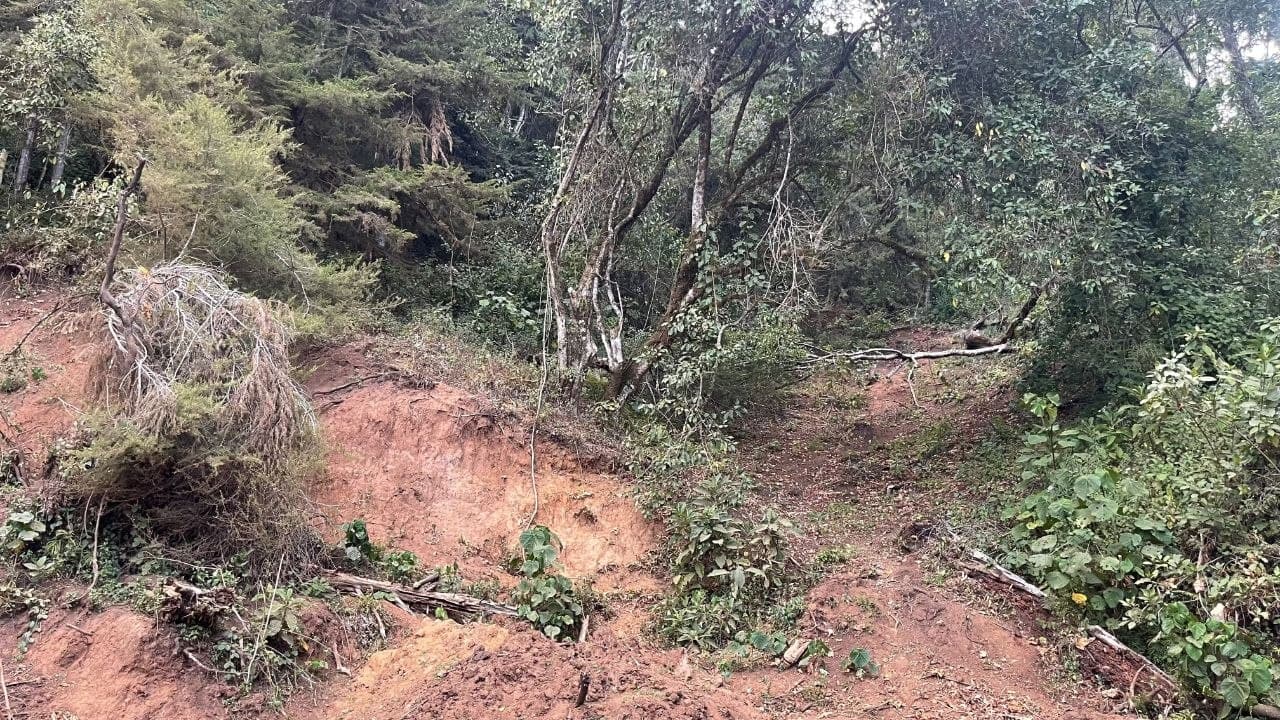
Indigenous tree nurseries, on-farm woodlots and escarpment replanting that rebuild the forest cover water towers depend on.
Read more →
Water Source Protection
Fencing, buffer-zone planting and spring protection at the exact points where rivers begin.
Read more →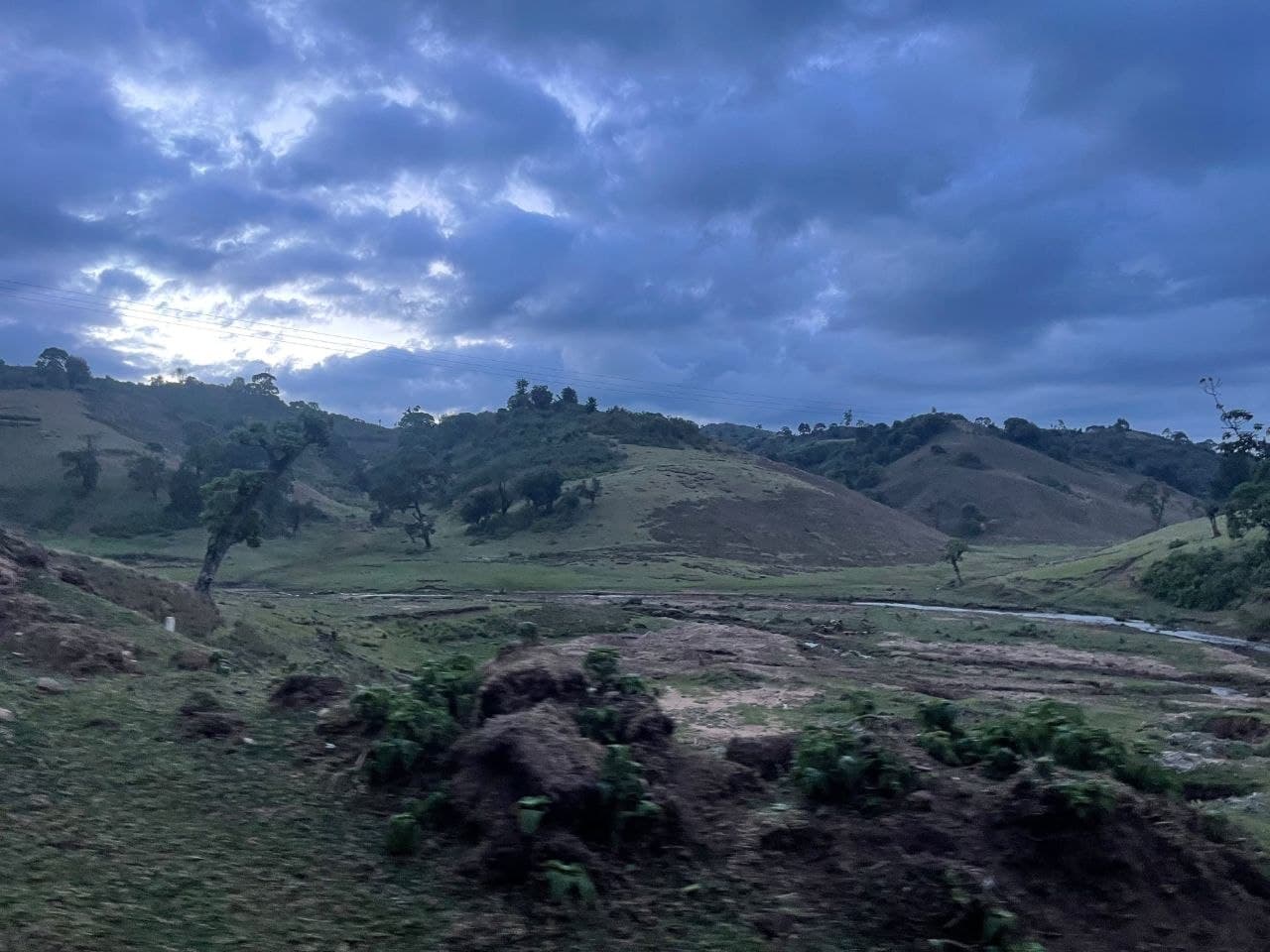
Education & Awareness
School tree clubs, barazas and radio spots that make catchment health a shared, local concern.
Read more →
Regenerative Agriculture
Terracing, cover cropping and reduced-tillage training for farms on the forest edge.
Read more →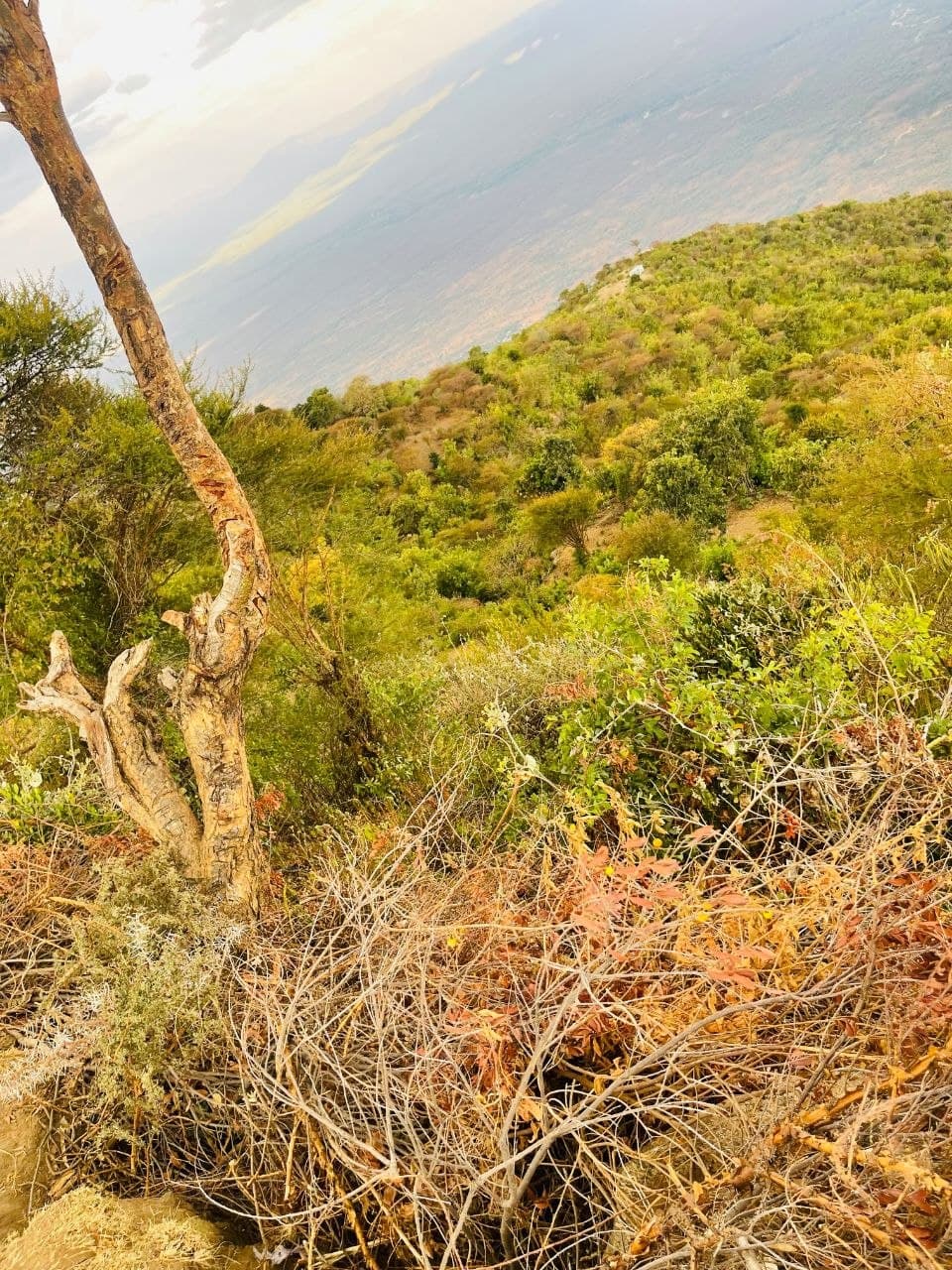
Gender & Intergenerational Equity
Putting women's groups and youth scouts at the centre of nursery management and forest monitoring.
Read more →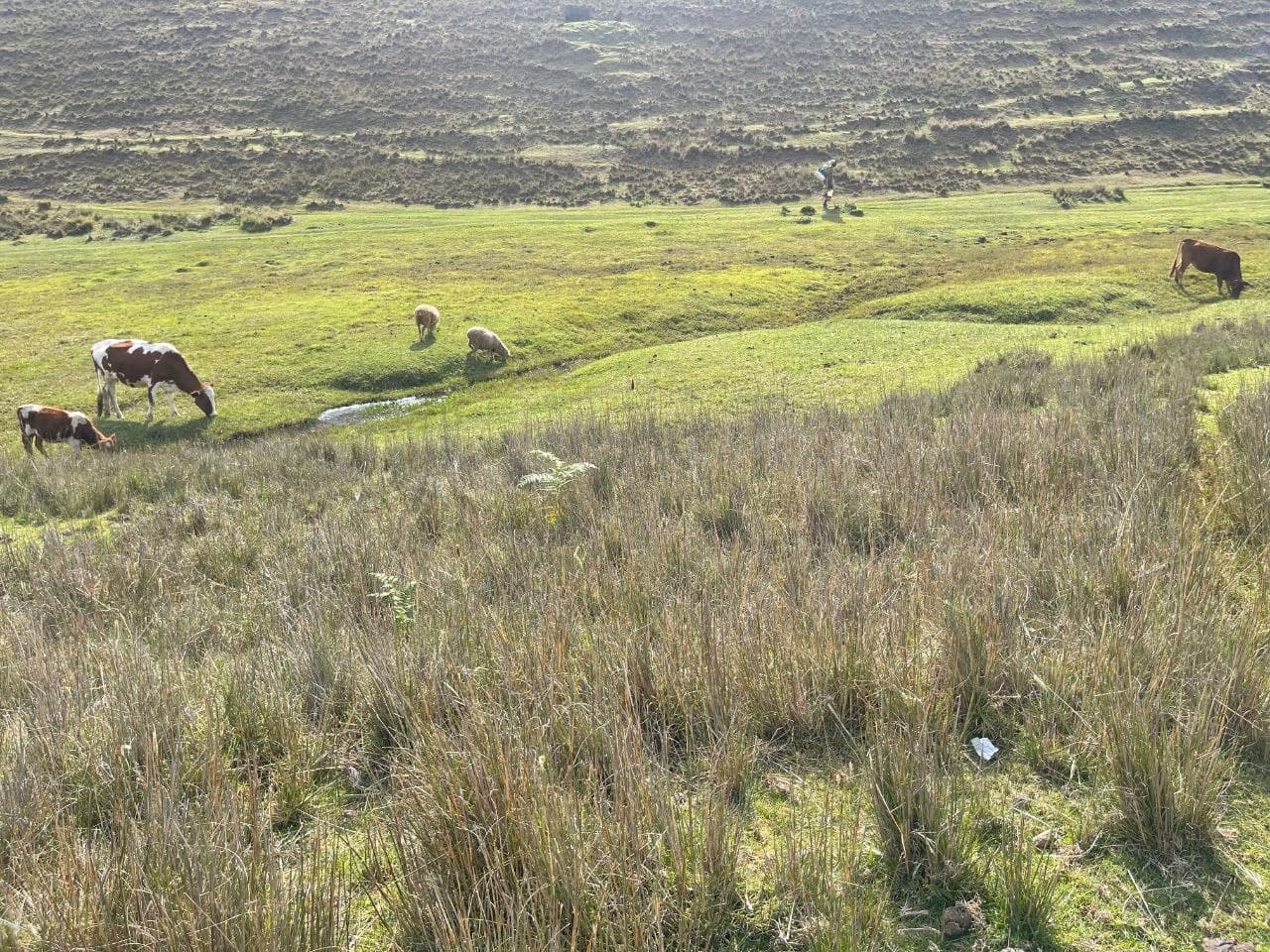
Wildlife & Biodiversity
Corridor protection and species monitoring for the forest's non-human residents.
Read more →How they connect
Restoration is more than tree planting.
Forests hold and regulate water. Vegetation stabilises soils. Communities steward the landscape. Livelihoods reduce pressure on forests. Evidence-based policy helps restoration last.
Each programme is designed to reinforce the others. A community nursery supplies seedlings for agroforestry plots. Agroforestry reduces the need to clear forest for farmland. Reduced clearing protects water sources. Protected water sources sustain the communities who run the nurseries.