
5 January 2026 · Save Kenya Water Towers
New Year, New Season: SKWT's 2026 Restoration Goals
Stories and field notes from Save Kenya Water Towers.
5 January 2026
The new year opened not with fanfare, but with a familiar SKWT ritual: the team gathered to take stock, plan ahead, and recommit to the work of restoring Kenya's water towers. Across the organisation, from field officers to technical leads, the mood was one of quiet resolve. The past year had tested the team, it strengthened something harder to measure: a shared belief that the work matters, and that it belongs to the communities it serves.
Team morale going into 2026 rests on that belief. SKWT's staff have grown into their roles not just as conservationists, but as facilitators, people who spend as much time listening in barazas and focus group discussions, workshops, capacity training as they do walking restoration sites. That shift, from delivering interventions to building genuine local ownership, is central to how the organisation defines success this year.
Partnerships are a second pillar of the 2026 goals. SKWT enters the year continuing its work with WRI – Terrafund for AFR100 while also reaching beyond existing relationships, applying to new support, exploring collaborations like the “Bees for Biodiversity” concept rooted in indigenous Keiyo practice, and strengthening ties with institutions such as the University of Eldoret. Not every application succeeds, but each one sharpens the organisation's case for why community-led restoration deserves investment.
On policy, SKWT is working to ensure that policies are not just documents, but living tools that communities understand and use to assert their stewardship. The goal is influence that outlasts any single project cycle: local institutions equipped to manage their resources, land and forests long after external funding ends.
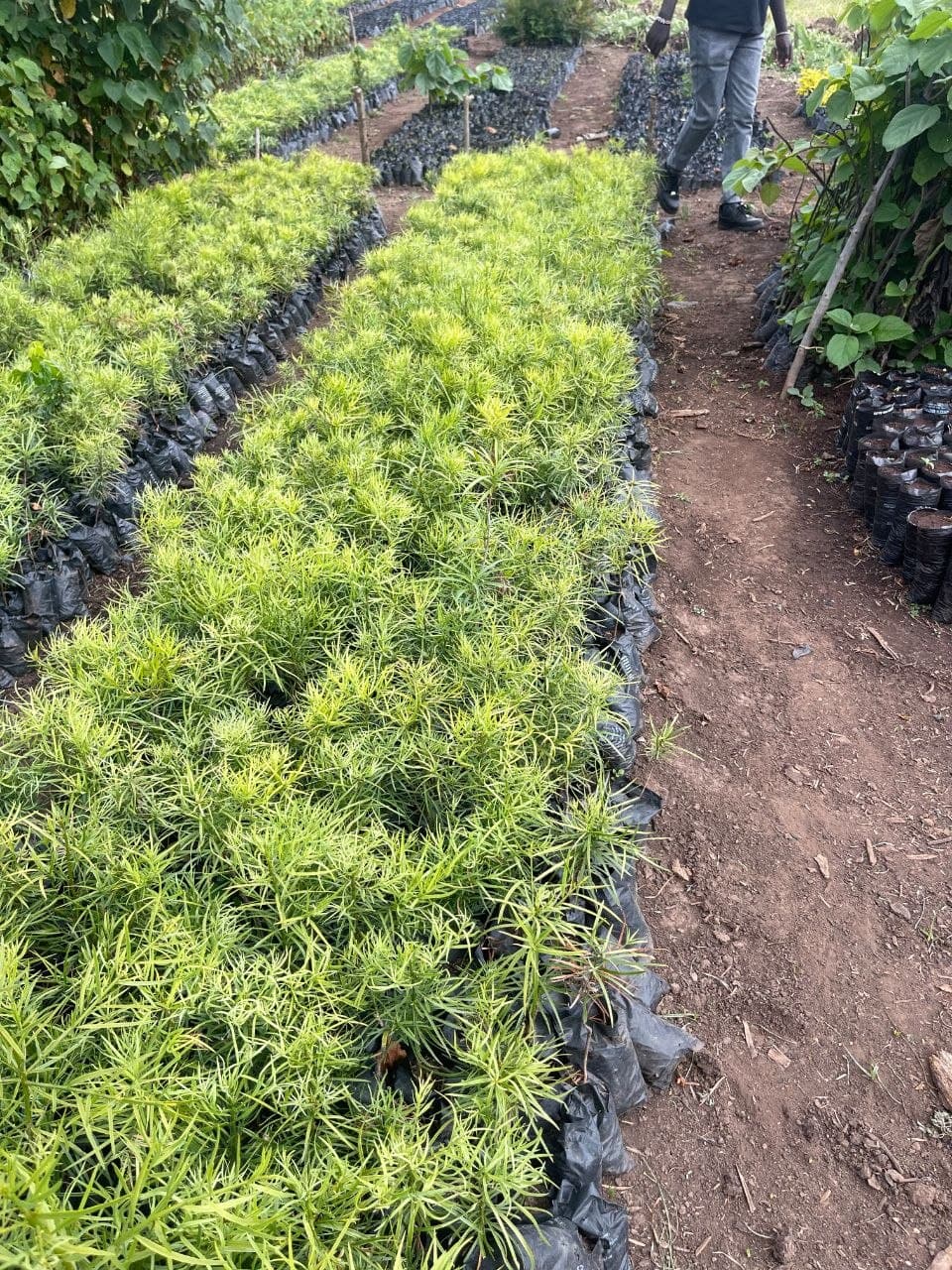
Implementation in 2026 means translating all of this, morale, partnerships, policy, into visible change on the ground: seedlings that survive, agreements that hold, and communities that see the forest as theirs to protect, not something managed on their behalf. Awareness and ownership are not separate goals from restoration; they are how restoration lasts.
SKWT begins the year clear-eyed about the challenges ahead, and just as clear about why the work continues.