Date not listed · Save Kenya Water Towers
Africa Day: SKWT's Place in the AFR100 Initiative
A continental movement, taking root in Elgeyo Marakwet
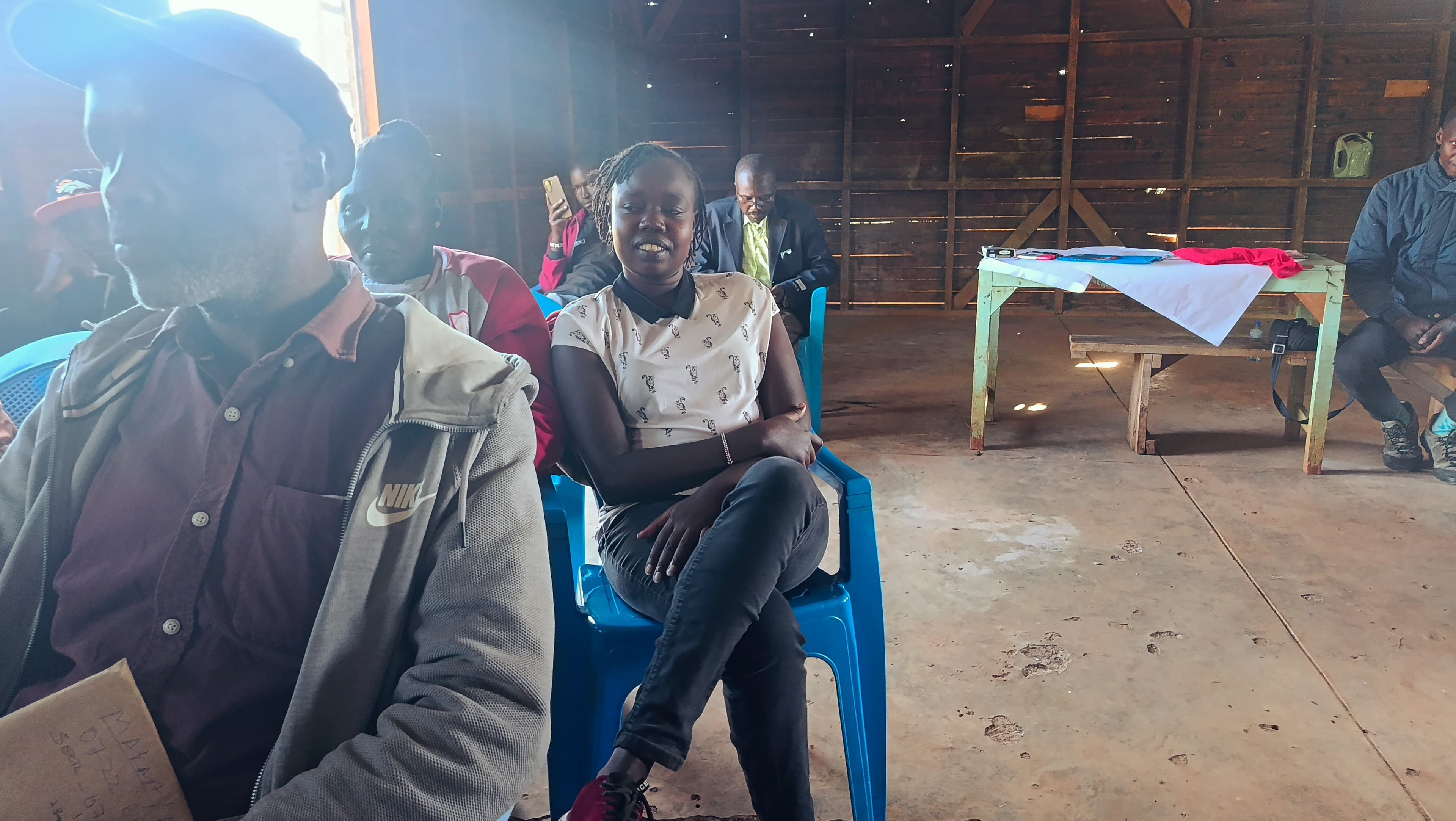
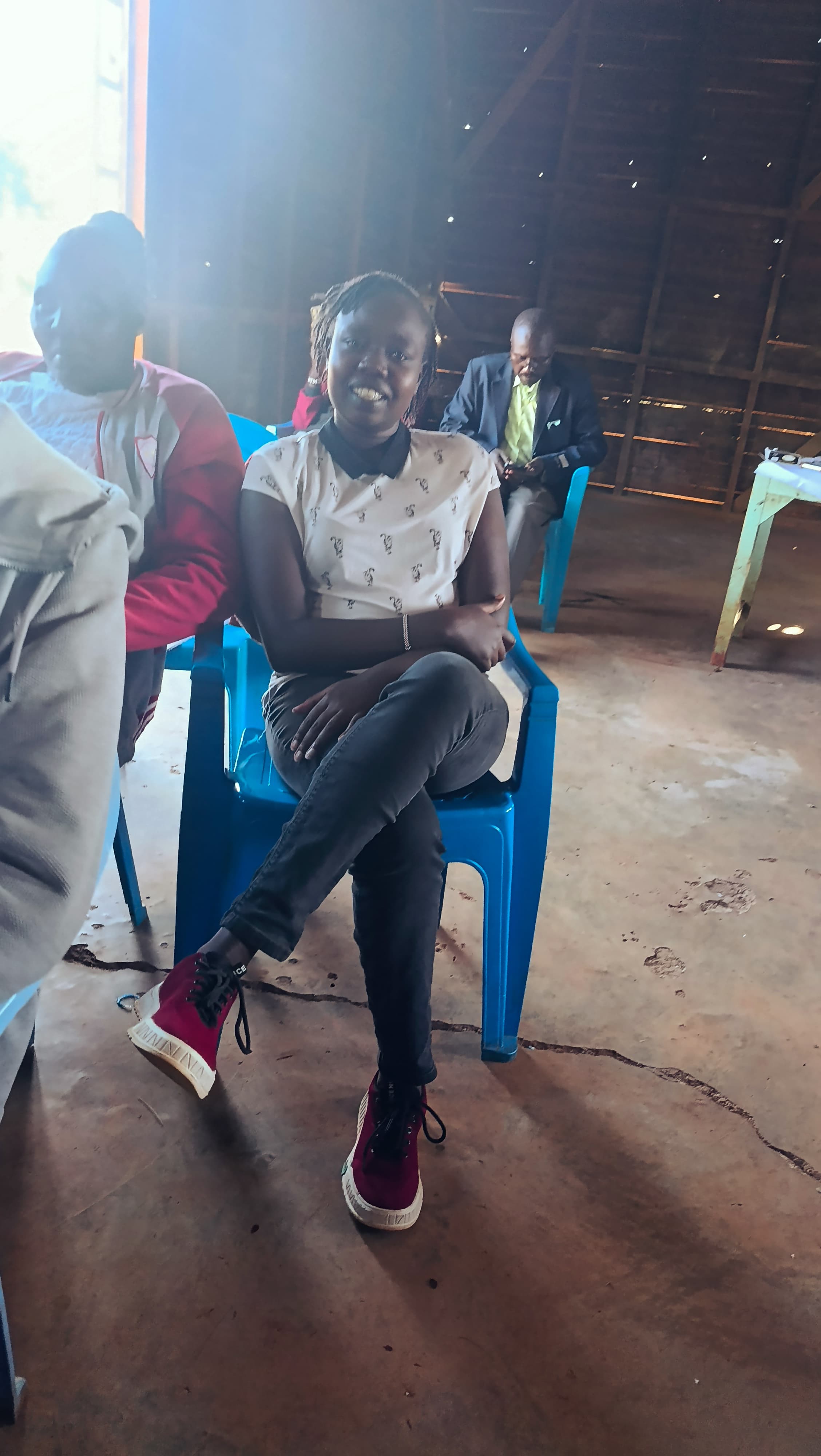
Each year, Africa Day is a moment to reflect on shared progress across the continent. For Save Kenya Water Towers (SKWT), it is also a moment to recognise the part local, community-rooted work plays in a much larger movement: the African Forest Landscape Restoration Initiative, known as AFR100.
A continental commitment
Launched under an African Union mandate, AFR100 is a country-led effort to bring 100 million hectares of deforested and degraded land across Africa into restoration by 2030. To date, 28 African nations have signed on, together committing more than 113 million hectares to restoration, supported by a network of technical and financial partners including Germany's Federal Ministry for Economic Cooperation and Development (BMZ).
SKWT's role on the ground
In Elgeyo Marakwet County, SKWT is helping carry this continental ambition into practice. With support from the Food and Agriculture Organization of the United Nations (FAO) and funding from BMZ under AFR100, SKWT is implementing a programme spanning three connected outputs: reviewing the Kipkabus Participatory Forest Management Plan, developing the Spencer Line Management Plan, and supporting community-led restoration through agroforestry and Assisted Natural Regeneration.
Alongside the FAO-supported programme, SKWT has, since 2024, been running a separate restoration effort in Morop location, Keiyo South, funded by the World Resources Institute (WRI) under TerraFund-AFR100. Through a combination of active planting and Assisted Natural Regeneration, the site has grown approximately 99,000 indigenous trees to date.
Each output ties restoration directly to the people who live closest to the land, from county officials and forest associations to farmers and community elders, echoing AFR100's own premise that lasting restoration must be locally led.
The Morop initiative pairs ecological restoration with tangible community benefit. Local households have received 2,000 Hass avocado seedlings to support household income, alongside 40 beehives that supply honey while also discouraging tree-cutting, echoing the same buffer principle behind traditional apiary practice elsewhere in the region. Together, these interventions are aimed at stabilising the landscape while giving communities a direct stake in keeping it standing.
Local work, continental impact
Every hectare restored, whether along the Spencer Line, through the Kipkabus forest, or across the Morop landscape, adds, in a small but real way, to Africa's collective 100-million-hectare target. This Africa Day, SKWT's work across both fronts is a reminder that continental goals are achieved not in the abstract, but through the sustained, patient effort of communities restoring the landscapes they call home.